It seems once an interest in railways develops, it is there for life. In my case, railways have had a bit of a chequered history.
My earliest vague memories of railways are as a five-year-old standing on the footbridge at Water Orton with my dad and elder brother, witnessing the last days of steam. I remember on another occasion my dad took me to Tyseley shed one Sunday morning and there was still live steam to be seen.
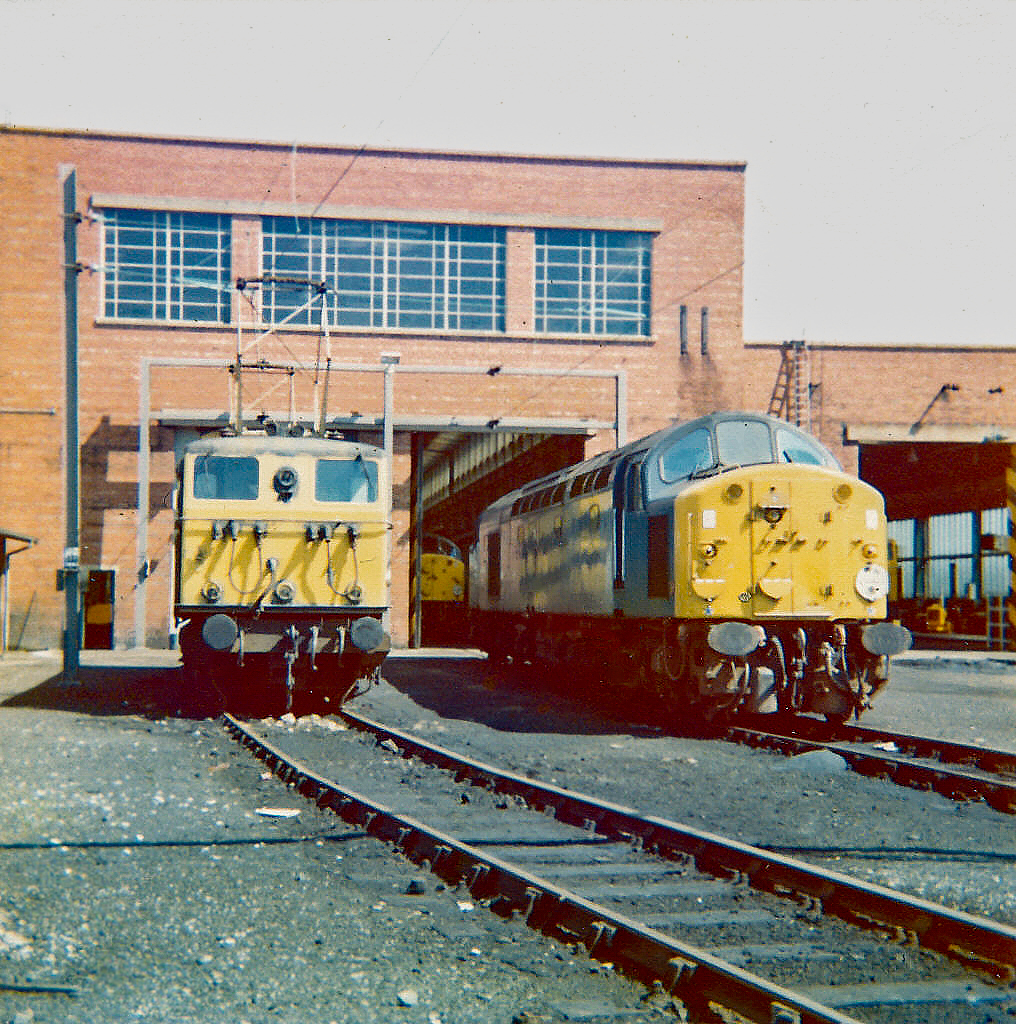
In the early 1970s, the school railway society, led by my history teacher, would on some weekends take a group of us to visit various railway locations, normally within a couple of hours from Birmingham. Two memorable moments from these outings stick in my mind: a very busy Sunday night in heavy rain at Guide Bridge, with Class 40s and 76s everywhere – the atmosphere was brilliant. The other being travel sick out of the minibus door early one morning at March shed – not so brilliant. I then joined the “Midland Railfans Group,” which led to spotting trips further afield. I probably visited most of the BR depots and stabling points back then and it was at this time my first attempts at railway photography took place using a Kodak Instamatic.
I have some not-so-great images of locomotives which are long gone, but nothing very good. On leaving school, I began work as an apprentice toolmaker in Birmingham. This, along with all the other usual distractions of late teenage life, meant my spotting days were numbered. A three-day trip to Scotland at Easter in 1978 was the finale.
The closure of the Woodhead route in 1981 awakened me to the fact that the railways as I had known them were disappearing. I acquired my first SLR, a Minolta X300 with a standard 50mm lens along with a Tamron 70–210 zoom. I then set about capturing the disappearing classes of locomotives from my youth.
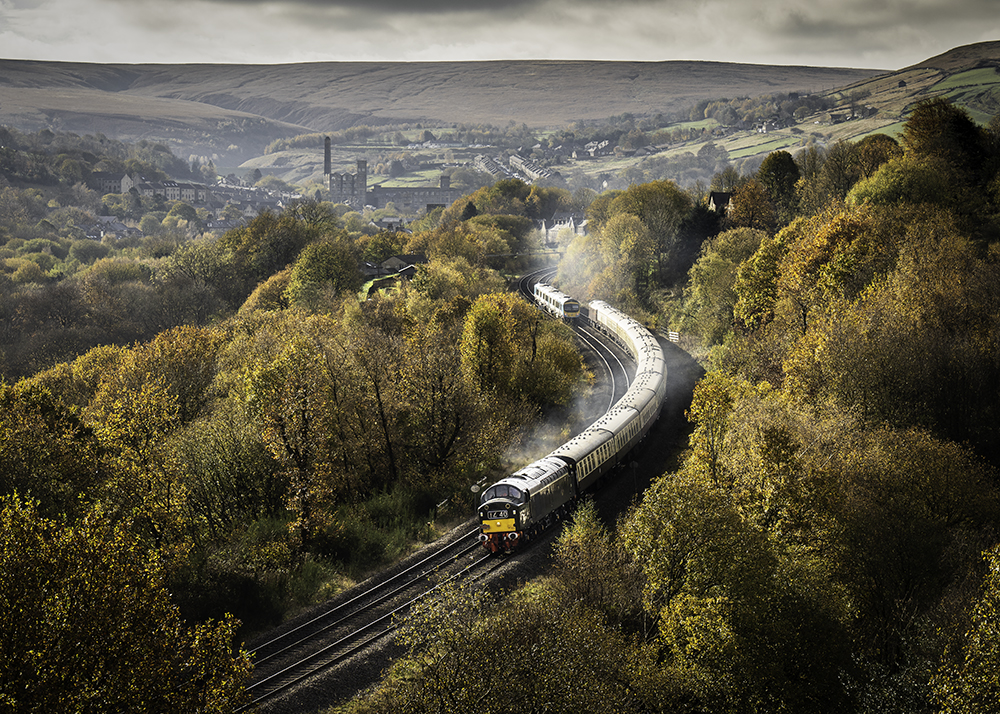
To be honest, the Class 40 became a bit of an obsession, with trips to Manchester, Crewe, the S&C and other areas trying to capture the dwindling numbers of the class. By the end of the 1980s, I was starting to again lose interest. All my favourite locomotives had been withdrawn or were on the way out and I was finding the railways in a sorry state due to lack of investment.
Hindsight tells me this was probably short-sighted and photographically a missed opportunity, but along with the fact I had a growing family and work commitments, I again drifted away from the railway scene. After a good few years, a friend asked me to go with him to the East Lancashire Railway steam gala. I took along my camera, which was at this time a Contax 167MT and I was hooked again.
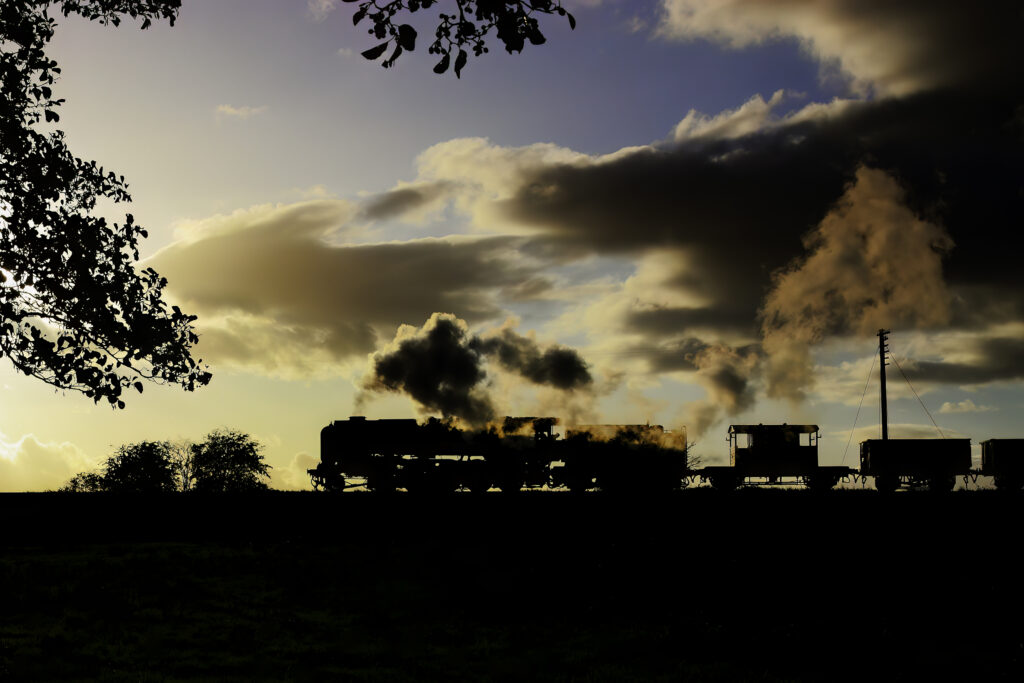
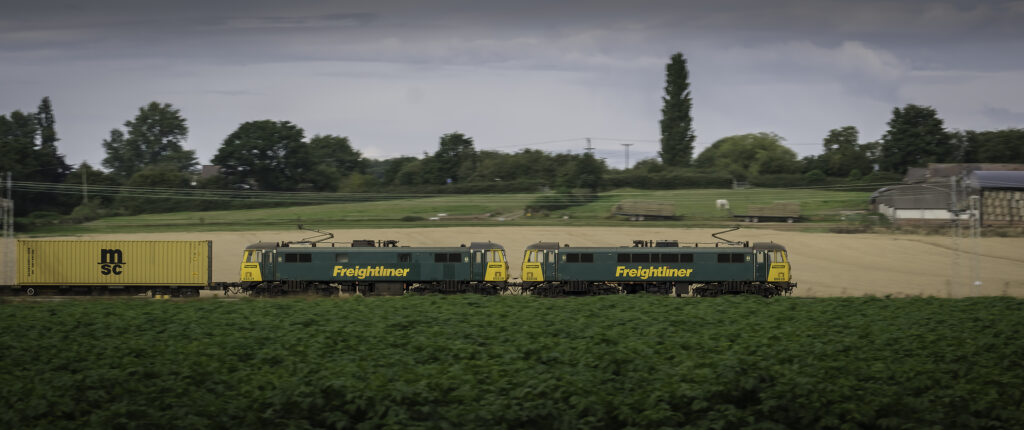
The next few years were spent chasing steam at galas and on the mainline with some success and I still do like the odd kettle! I began to turn my attention to the modern scene. Again, this involved chasing the older classes of locomotives still at work, such as the Class 86s in their last years in service hauling intermodal freight on the West Coast Main Line.
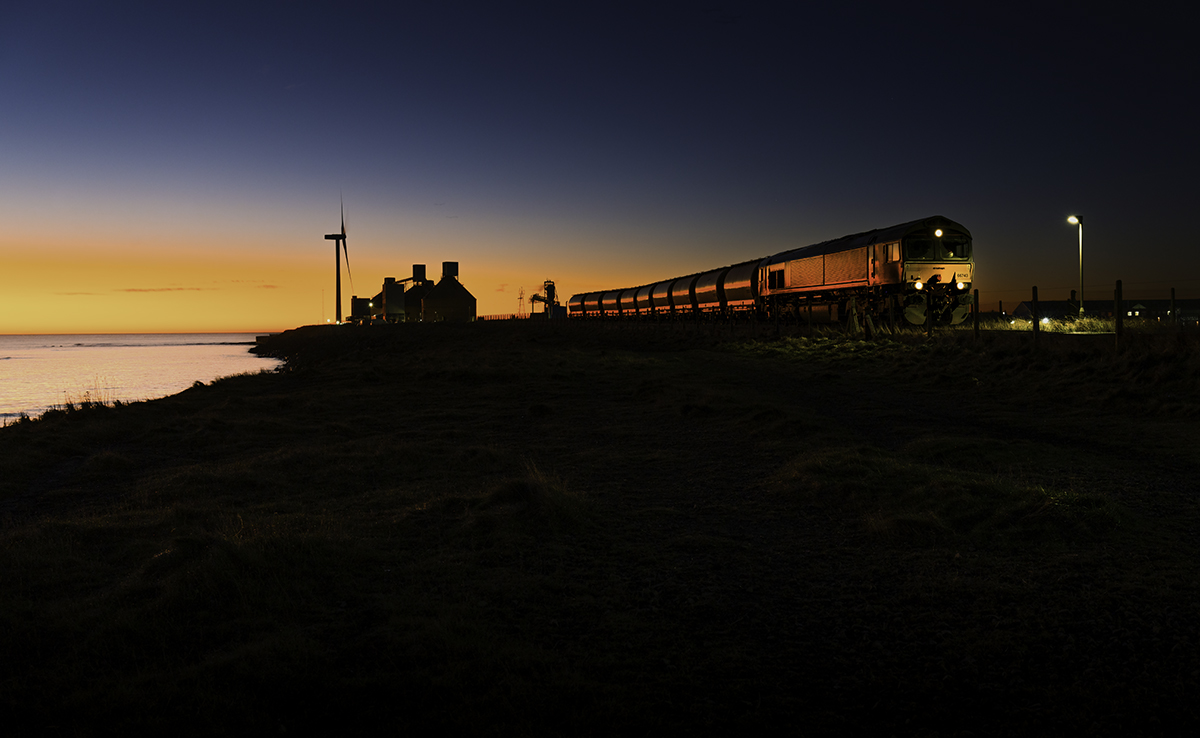
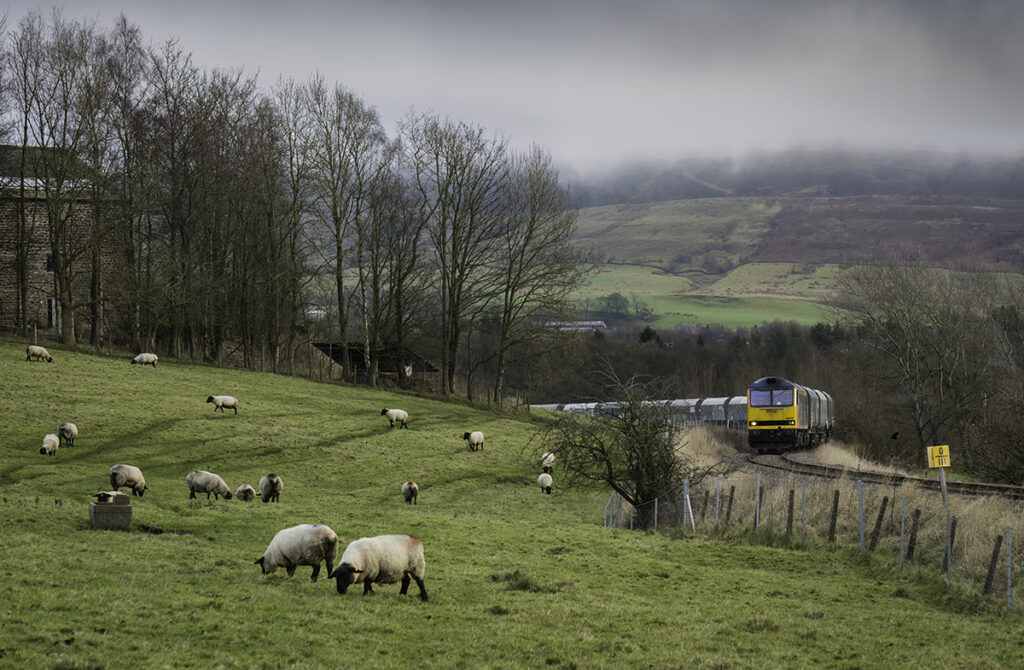
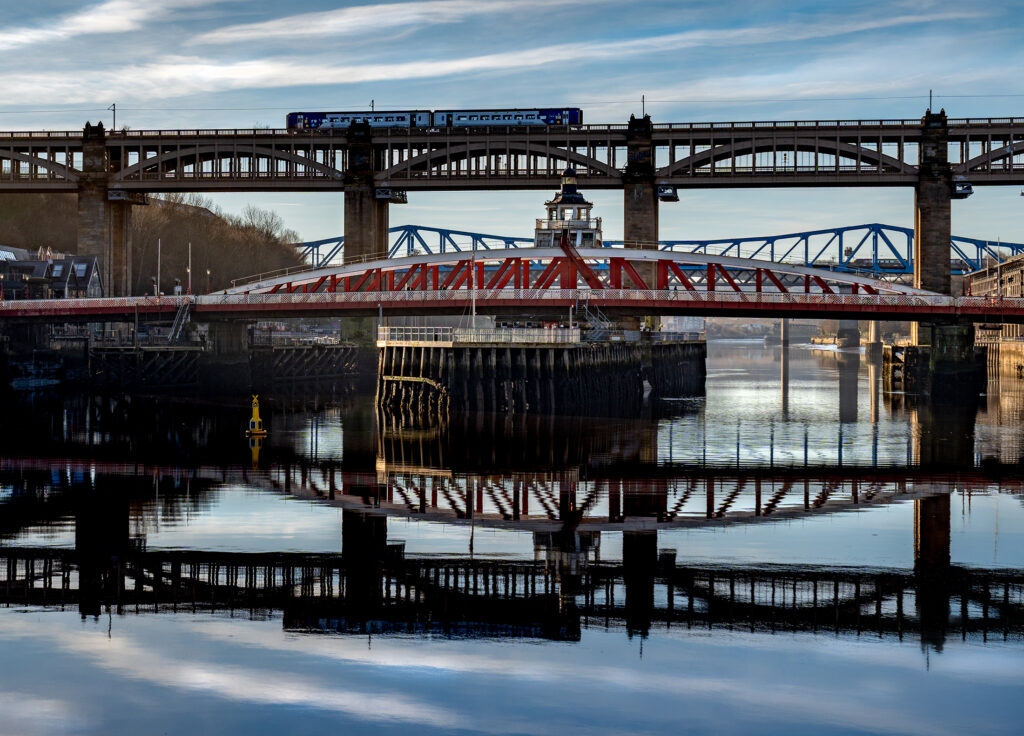
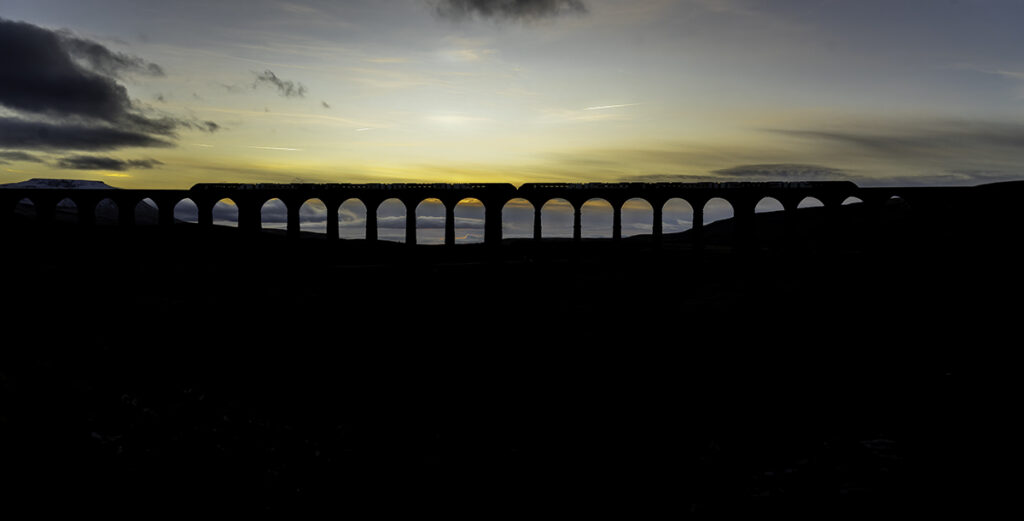
As I was fortunate enough to witness the many different classes of locomotive that once ran on the network, I find most of today’s motive power a little uninspiring, with diesel and electric passenger units and predominantly Class 66 on freight. Taking this into account, I enjoy looking at railway images where the photographer has tried to create something unique and different using the environment the train is in.
I am a relative newcomer to 1Z10 compared to some members. I can’t quite fully remember how I got involved, but I live not too far from Terry Callaghan and often used to bump into him on outings in the local area and we always had a chat. On one occasion, I asked about 1Z10 and enquired how to join. I met Andy Hoare and started going along on the regular outings and the rest is history.
I really enjoy the friendly banter and comradeship on the outings; everyone is out to enjoy the day or days, plus we all try and take some decent images. I still visit Water Orton as it is fairly local to me. The same footbridge is still there I stood on as a five-year-old, but apart from that everything else has changed beyond recognition from back in the day. That’s progress, as they say.